Introduction
Building a maintaining wall is more than simply stacking stones or putting wood; it's an art that mixes engineering concepts, style aesthetics, and useful performance. As we delve into From Idea to Completion: A Day in the Life of a Retaining Wall Builder, you'll discover the complexities associated with this remarkable profession. Whether it's handling concrete sleepers, H beams, or lumber sleepers, every element plays a pivotal function in guaranteeing that the structure not only looks excellent but also stands the test of time.
What is a Maintaining Wall?
A retaining wall is a structure https://ameblo.jp/andrescontractorgthj343/entry-12948470895.html designed to hold back soil and prevent erosion on sloped surfaces. These walls are important for preserving landscape integrity and can be made from various materials such as stone, wood, and concrete.
The Function of a Retaining Wall Installer
A retaining wall installer is responsible for transforming plans into tangible structures. They work carefully with architects and landscape designers to guarantee that the ended up product fulfills both practical and aesthetic criteria.
Understanding the Various Kinds of Maintaining Walls
Concrete Sleepers
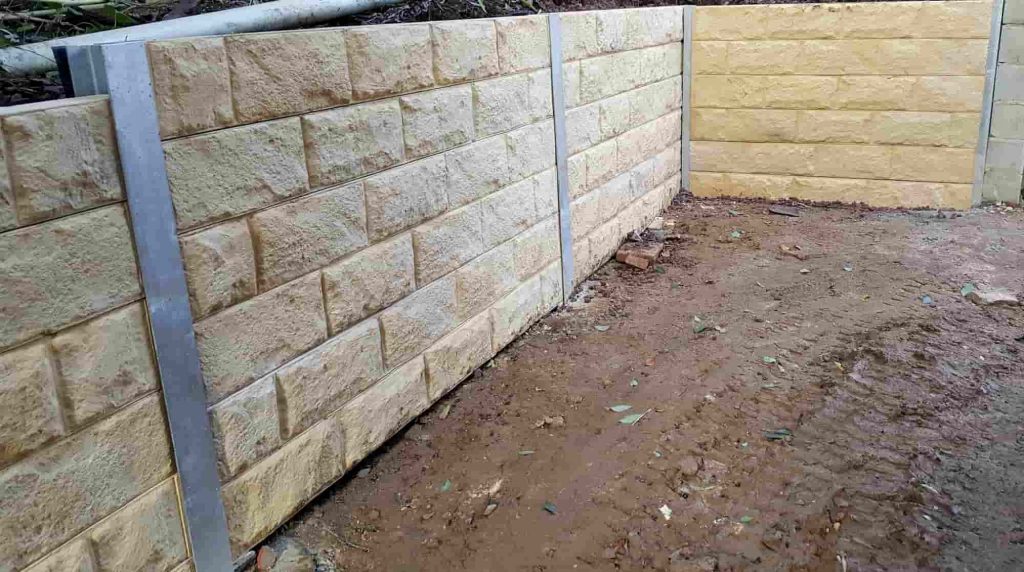
Concrete sleepers are pre-cast blocks utilized for their toughness and toughness. They provide excellent support for heavy loads and are resistant to rot and pest damage.
H Beams
H beams use substantial structural assistance due to their shape, making them ideal for taller maintaining walls where extra strength is required.
Wood Sleepers
Though aesthetically enticing, wood sleepers need regular maintenance due to their susceptibility to decay. However, they can supply a warm aesthetic that mixes well with natural landscapes.
Timber Sleepers
Timber sleepers are typically used in residential projects where less height is required. They can develop a rustic charm however included issues about longevity.
Stone Keeping Walls
Stone walls are classic and can include tremendous worth to properties. Their natural appearance makes them popular in landscaping styles however requires knowledgeable craftsmanship for correct installation.
The Initial Assessment: What Takes Place First?
During the preliminary assessment stage, a retaining wall contractor consults with clients to discuss their needs and choices. This phase includes site assessments, understanding drainage issues, and figuring out product choices.

Planning & Design Stage: Crafting the Blueprint
Once preliminary discussions conclude, in-depth blueprints are created. This plan consists of measurements, product requirements (be it concrete sleeper or stone), and drain solutions.
Permits & Regulations: Browsing Legalities
Before building begins, securing needed permits is essential. Building codes vary by place; hence comprehending regional guidelines ensures compliance throughout the project.

Preparing the Website: Cleaning & Excavation Work
Preparing the site involves cleaning plants and debris followed by excavation work. This step lays the structure for a structurally sound keeping wall.
Material Selection: Picking The Right Components
Selecting products aligns closely with style goals while also thinking about spending plan restraints. Factors like sturdiness (concrete vs. timber sleeper) play a necessary function in this decision-making process.
Foundation Work: The Value of Stability
A strong foundation is non-negotiable when developing any maintaining wall. Whether utilizing H beams or stone, ensuring stability prevents future collapses or shifts.
Construction Process: Step-By-Step Execution
Lay Out The Plan
Utilizing stakes and string lines assists visualize where each component will go.
Excavate For The Base
Digging down guarantees that water will drain pipes appropriately away from the wall.
Install Drainage Solutions
Appropriate drain systems prevent soil saturation behind walls.
Constructing The Wall
Depending on selected materials (like concrete sleepers), walls may be constructed layer by layer.
Backfilling
Once installed, backfilling helps support the structure while ensuring adequate drainage.
Finish Work
Adding any wanted functions like caps or decorative elements completes the look.
Tools of The Trade: Important Devices For Builders
Having a range of tools at hand makes all tasks simpler:
- Shovels & & Picks Levels Compactors Trowels Power Tools
Quality Control Measures Throughout Construction
Quality control guarantees that every element meets industry standards:
- Regular Inspections Material Testing Adherence To Plans
Addressing Difficulties On-Site: Problem-Solving Abilities Required
No construction task goes off without a hitch! From unforeseen weather changes to material lacks-- being adaptable is key!
Final Touches: Visual Enhancements For Your Keeping Wall
After building comes beautification:
Landscaping around it Adding plants or lighting Painting or staining wood structures
Maintenance Tips For Durability Of Retaining Walls
To extend the life of your keeping wall:
- Regularly check for fractures Clean particles Check drainage systems
Common Frequently asked questions About Retaining Walls
1. What products are best for constructing keeping walls?
Choosing in between concrete sleeper, stone, timber sleeper depends upon aesthetic preference and structural requirements.
2. How tall can my maintaining wall be?
Local regulations determine height limits; usually between 4-- 6 feet without unique permits.
3. Do I require preparing permission?
In most cases yes; check local building regulations before beginning construction.
4. Can I set up a keeping wall myself?
While do it yourself is possible, employing professionals guarantees security and compliance with regulations.
5. How do I keep my maintaining wall?
Regular assessments should concentrate on checking for cracks or drain concerns; instant repairs improve longevity!
6. Are maintaining walls expensive?
Costs vary based on materials selected(e.g., wood vs stone)in addition to labor costs involved.
Conclusion
In conclusion, building a maintaining wall includes precise preparation from start to finish-- for this reason why understanding every action in this journey from idea through conclusion matters exceptionally! From choosing materials like concrete sleepers or wood to navigating legal requirements-- it's clear how detailed this process genuinely is! So next time you see one standing tall against nature's forces-- take a moment to appreciate all that went into developing it!